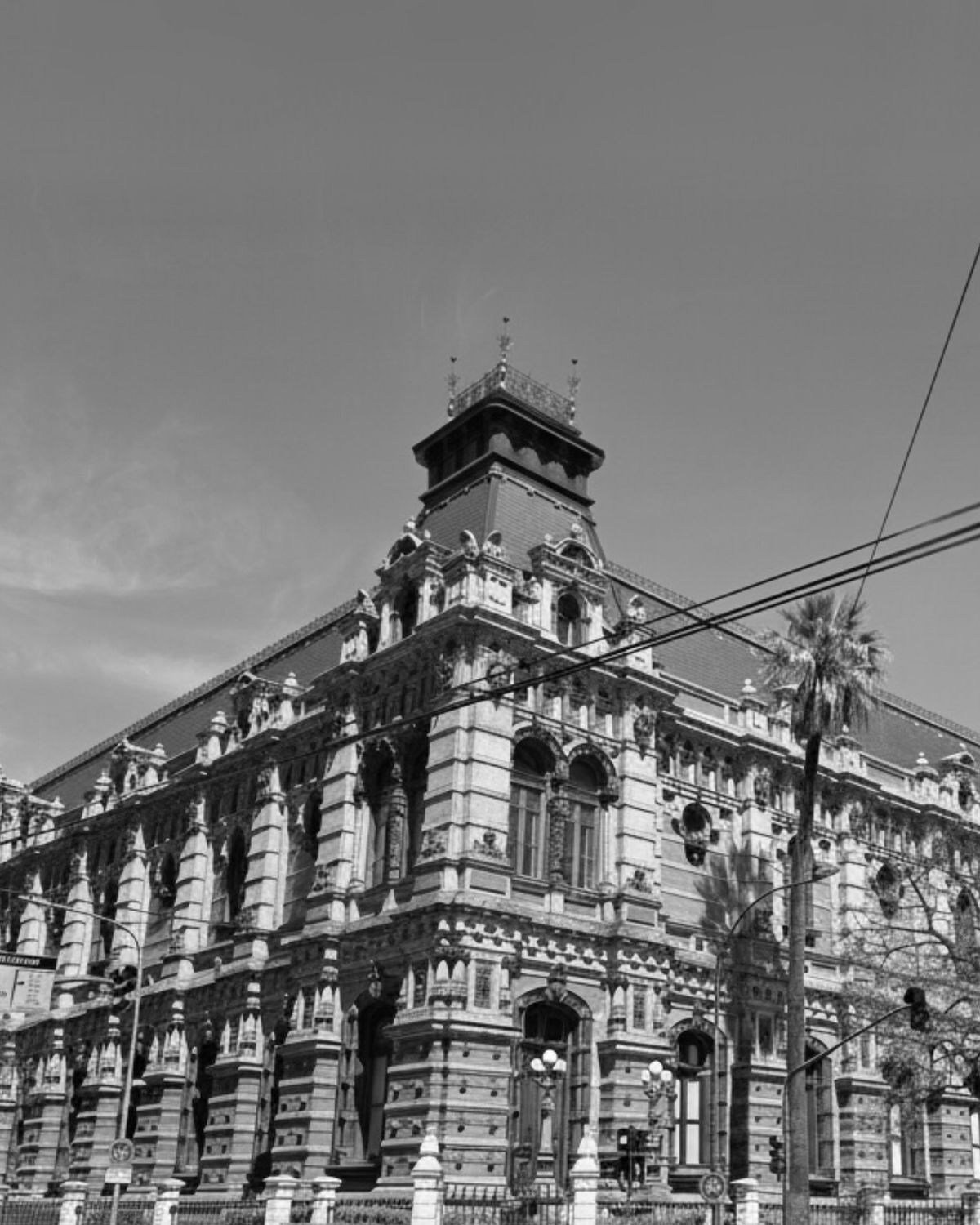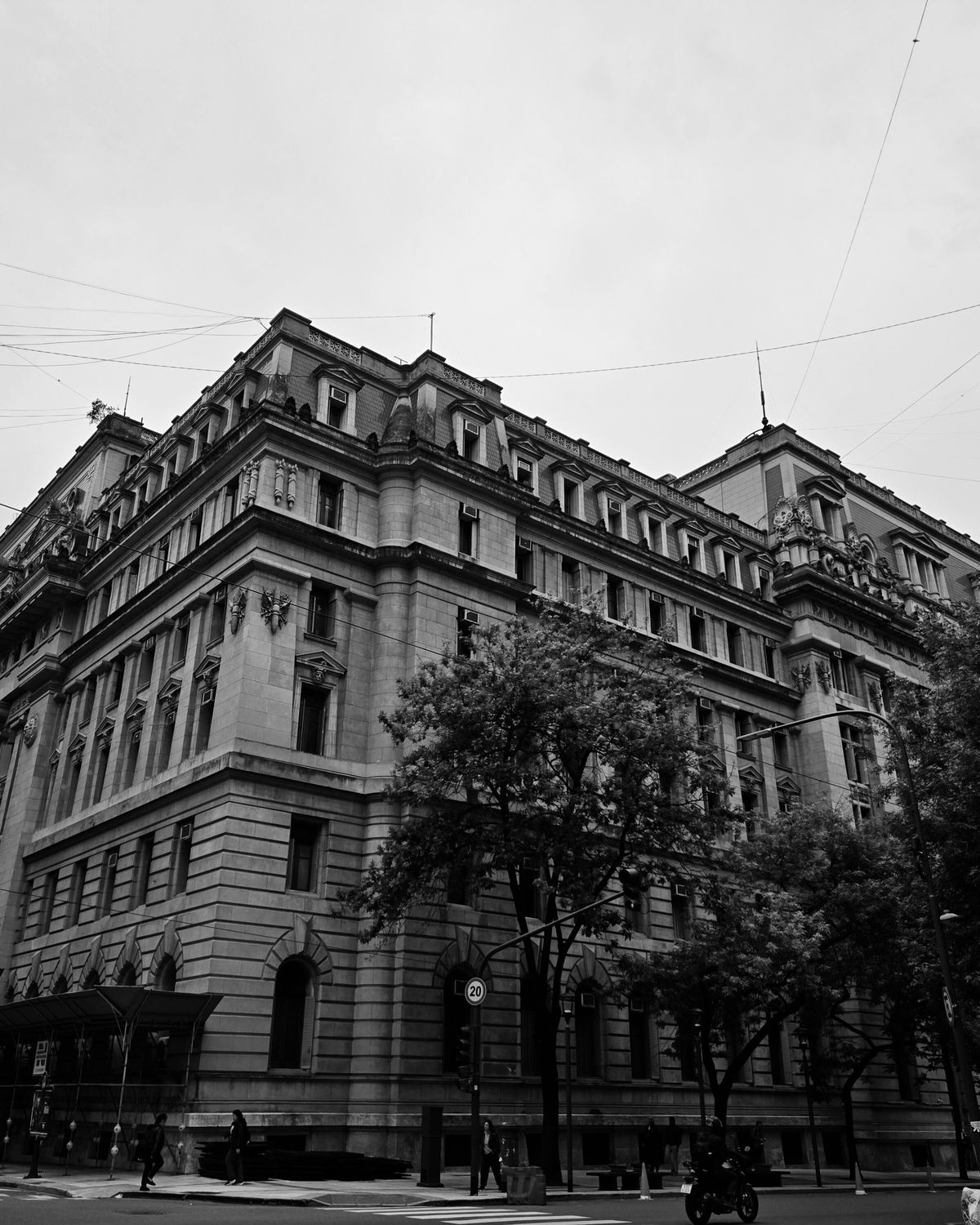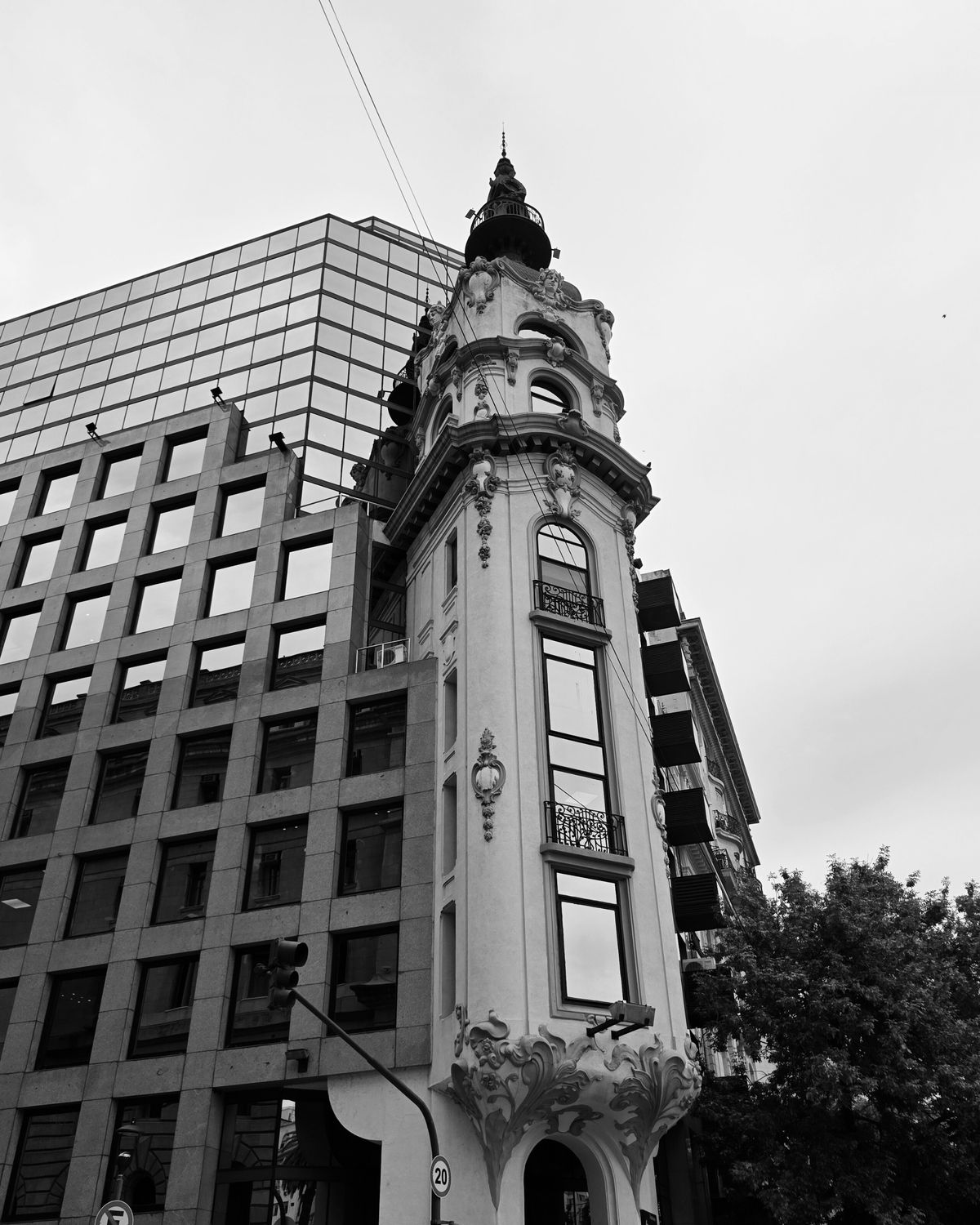
Every market report you read about Argentina is either breathless or doom-laden, because the country invites strong feelings. I will try for something rarer: a sober read of where the Buenos Aires property market actually sits in 2026, what is moving it, and where the honest risks lie. Numbers first, opinions clearly labelled as opinions.
City apartments in Buenos Aires average roughly USD 2,450 per square metre in early 2026, a figure that has been firming after years in a trough. The crucial context: prices spent most of the prior decade around 12% below the 2017 to 2019 peak. So the headline is not "prices are high." It is "prices are recovering off a low base, and have not yet reclaimed their previous high."
Property here is priced and traded in physical US dollars, and has been since the 1970s. That single fact insulates the market from the peso's gyrations and makes the dollar price the only one worth watching.
Three forces are pushing in the same direction for the first time in years.
Demand is not uniform. A rough read of the 2026 landscape:
| Segment | Character in 2026 |
|---|---|
| Recoleta, Belgrano | Liquid, stable, the safe core; foreign-buyer favourites |
| Palermo (Soho, Hollywood) | Deepest rental demand; investor magnet |
| Puerto Madero | Trophy segment; brand-new, dollar-priced, thinner liquidity at the very top |
| San Telmo, Monserrat | Best value-and-character; strong short-stay appeal |
| Rising barrios (Chacarita, Villa Crespo, Colegiales) | Early-mover upside; the "next Palermo" trade |
The pattern: the established core offers liquidity and safety, the rising barrios offer upside and risk, and the choice depends on whether you want to sleep soundly or buy the trend.
A report that only lists tailwinds is marketing, not analysis. The real risks:
My read, and it is a read, not a promise: the structural setup in 2026 is the most constructive a foreign buyer has faced in roughly a decade. A dollar-priced asset, below its previous peak, in a market with a reopened rental side, easing currency friction, and returning credit. That is a favourable risk-reward for a buyer with a multi-year horizon and a tolerance for Argentine surprises. It is not a trade for someone who needs certainty or a quick flip. The deeper investment case is argued in our note on whether Buenos Aires real estate is a good investment in 2026.
A market average is a starting line, not a decision. The 2,450-per-metre figure tells you almost nothing about a specific apartment in a specific building on a specific block, which is where every real decision is actually made. Use the macro to decide whether to look; use a local who reads buildings to decide what to buy. When you are ready to turn the market into a property, that is a call, in English, with the numbers on the table and the spin left off.
Max.-
Thirty minutes. Free. In English. We answer everything in this note plus everything not in it.