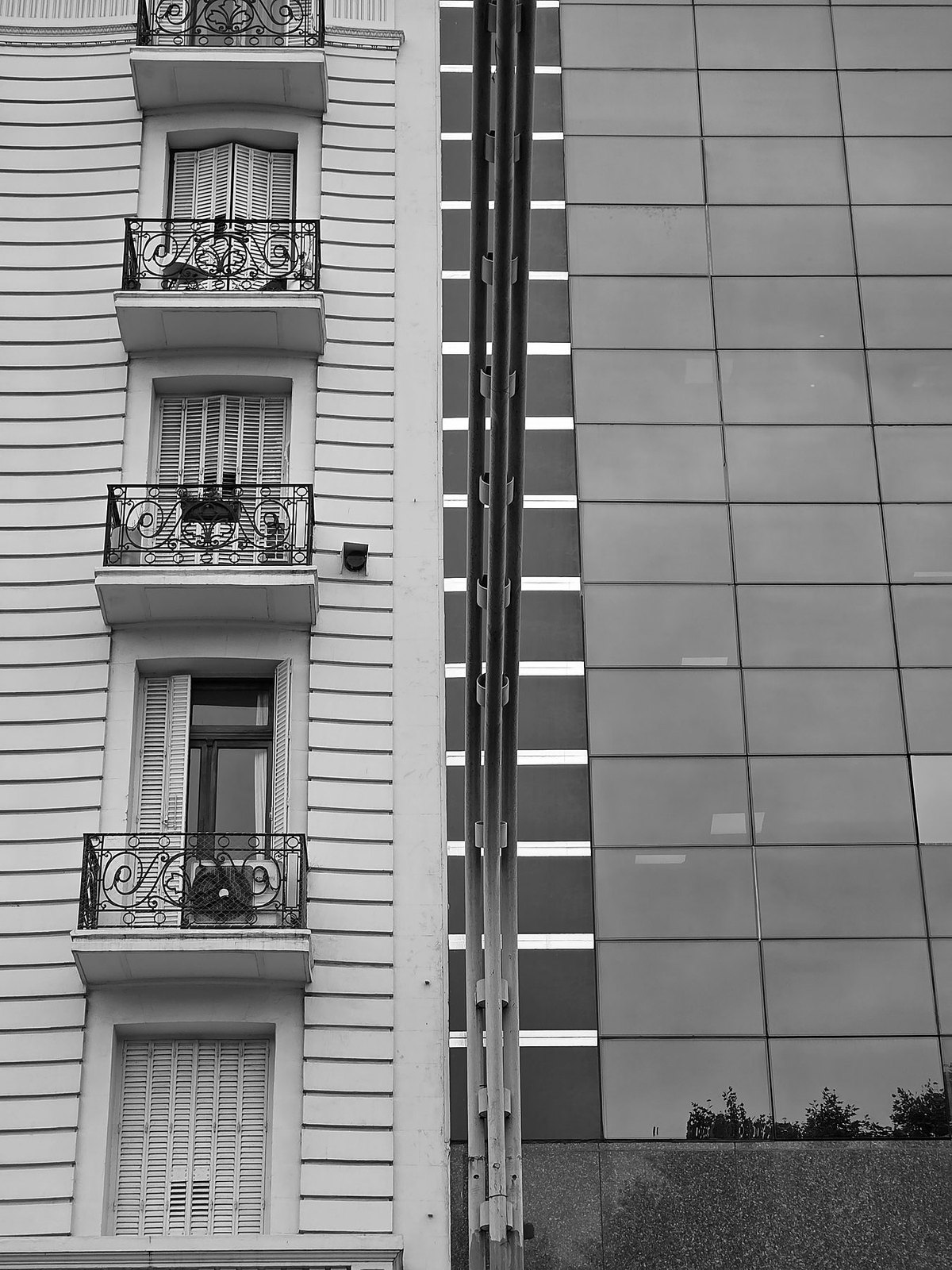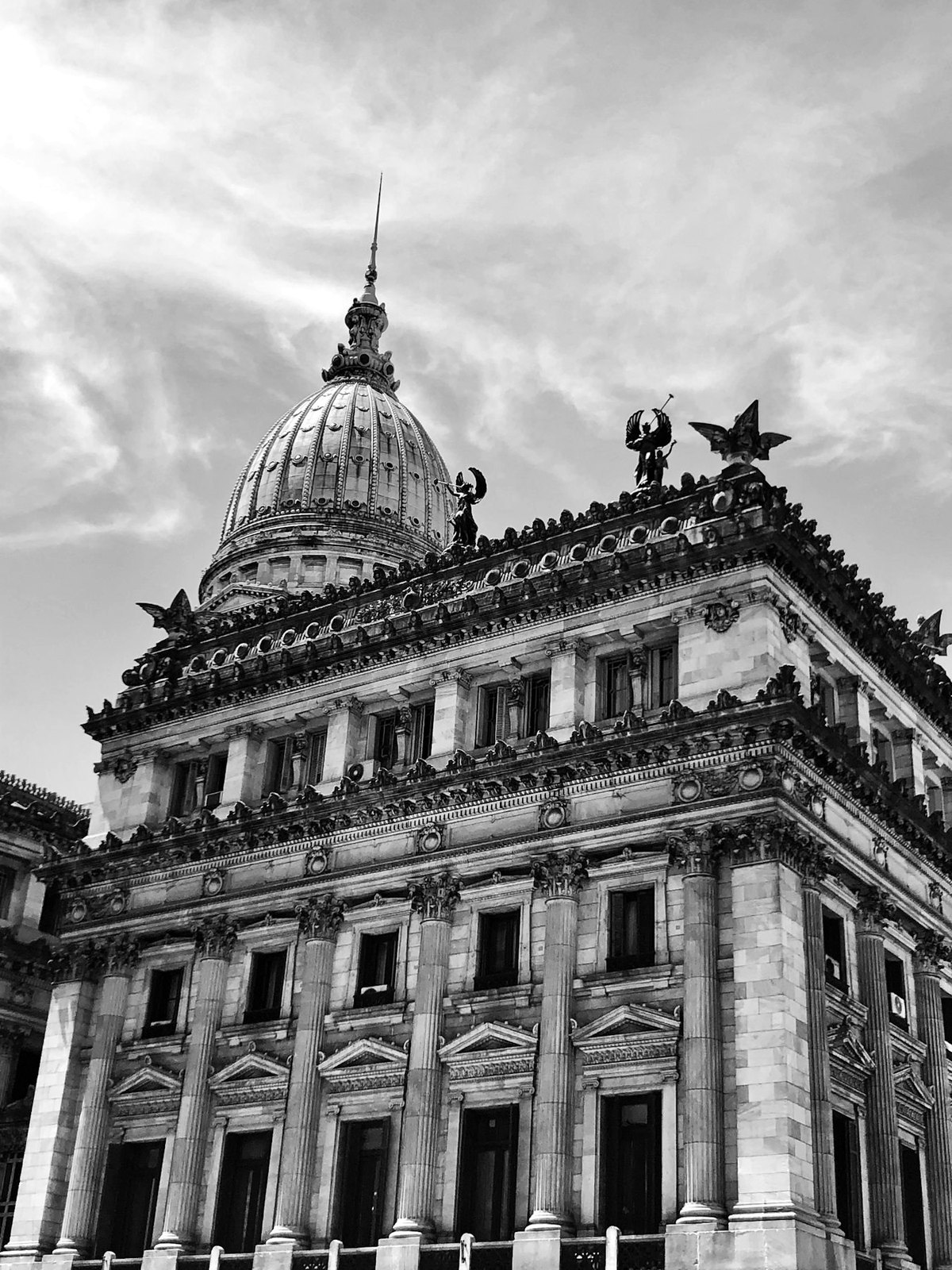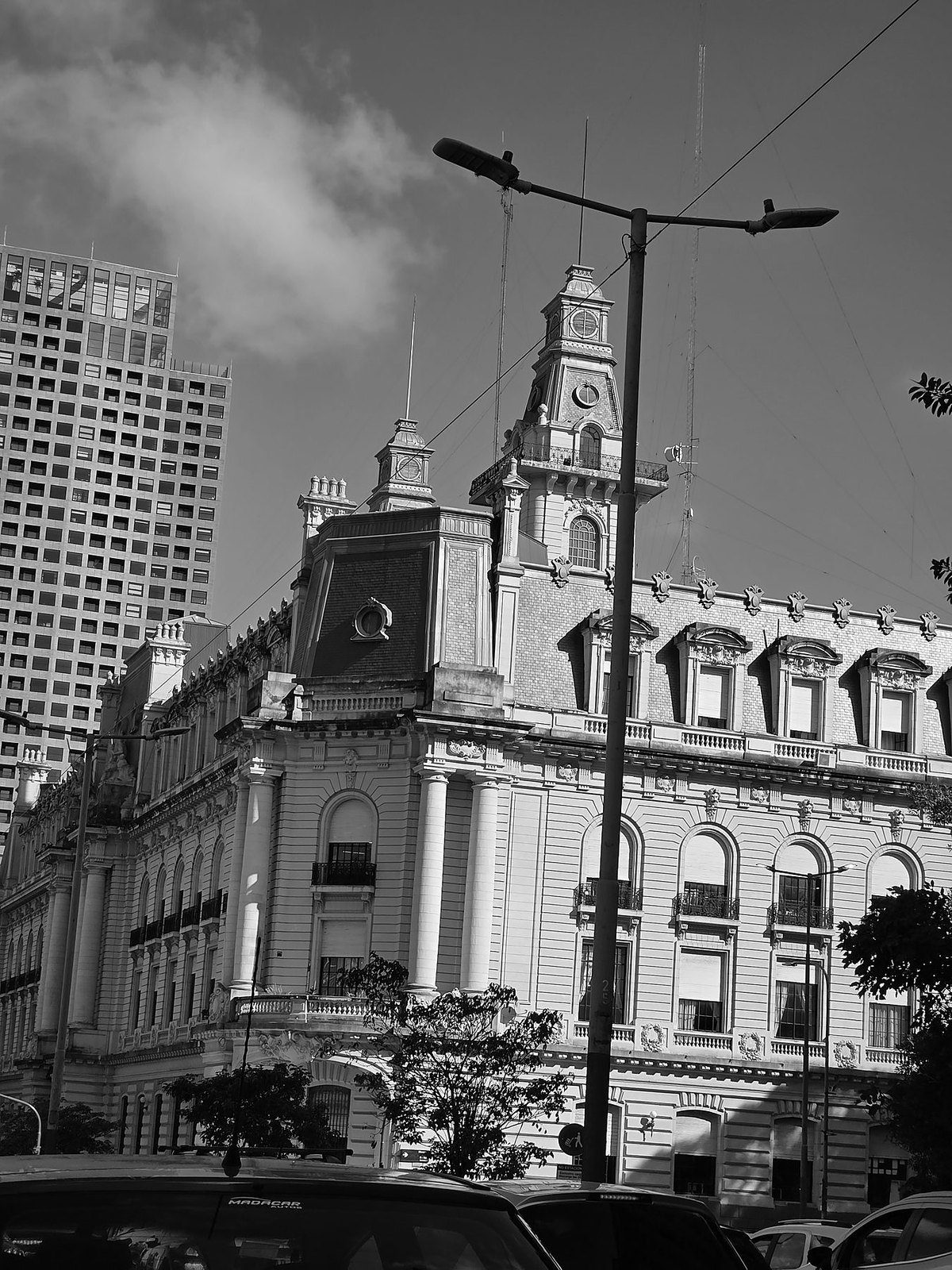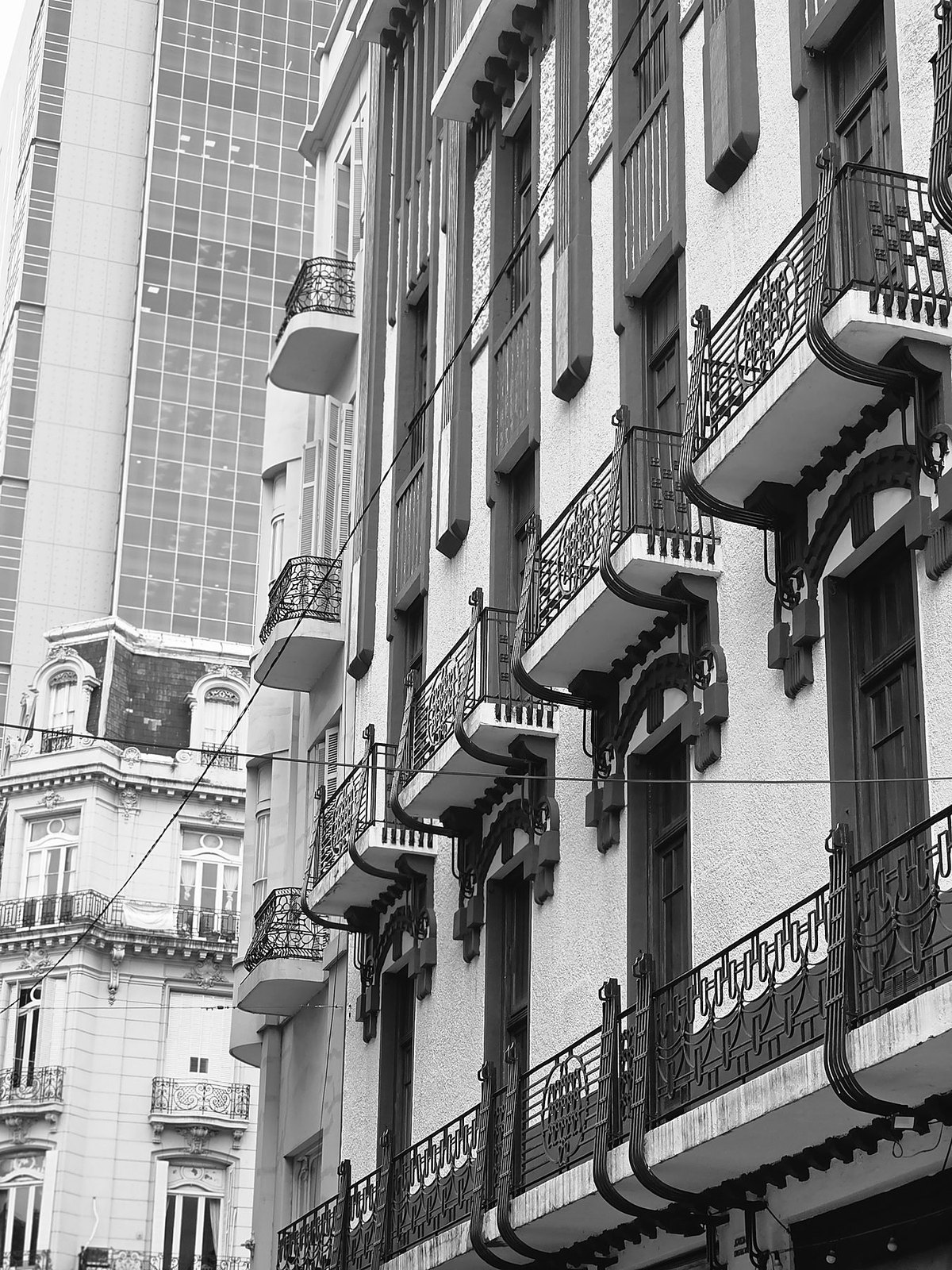
Foreigners fall for Buenos Aires through its buildings. The French facades, the wrought iron, the impossibly high ceilings, the sense that the whole city is a film set someone forgot to strike. I am all for falling in love with the architecture, it is one of the honest reasons to own here, but a building style is also a maintenance profile, a resale story, and an expensas number. So let me give you the romance and the reality together.
This is the Buenos Aires of the postcards: ornate stone facades, mansard roofs, balconies with iron railings, ceilings that clear three metres. Concentrated in Recoleta, Retiro, and pockets of Barrio Norte, these are the buildings that earned the city its "Paris of the South" nickname.
A uniquely porteño form: low-rise houses subdivided into individual units, often arranged around a central corridor or courtyard, frequently with a private terrace. Concentrated in San Telmo, Palermo, Villa Crespo, Chacarita.
The clean-lined modernism that fills much of the city's residential interior: solid, well-proportioned apartment blocks, generous rooms, often excellent value in barrios like Caballito, Almagro, and Belgrano.
Glass, concierge, pool, gym, security. Concentrated in Puerto Madero and the newer pockets of Palermo and Núñez.
| Style | Best barrios | Owner trade-off |
|---|---|---|
| Belle Époque | Recoleta, Retiro | Grandeur vs older bones |
| PH | San Telmo, Palermo, Chacarita | Character vs variable governance |
| Racionalista / mid-century | Caballito, Almagro, Belgrano | Value vs glamour |
| Amenity tower | Puerto Madero, Palermo, Núñez | Turnkey vs high expensas |
Architecture in Buenos Aires is never only aesthetic. A Belle Époque jewel carries an older building's maintenance reality; a glass tower carries a high monthly expensa; a PH carries a governance question you must actually investigate. The style you fall for sets the diligence you owe yourself, which is precisely the work we do before a property reaches you. Pair this with our neighborhoods decoded note and you can read a listing the way a local does: not just "is it beautiful," but "what will it ask of me."
Fall in love with the building. Then let us read its bones before you sign. That is the whole job, and it begins on a call.
Max.-
Thirty minutes. Free. In English. We answer everything in this note plus everything not in it.